
The Evolution of Ferragamo Bag Design Through the Decades
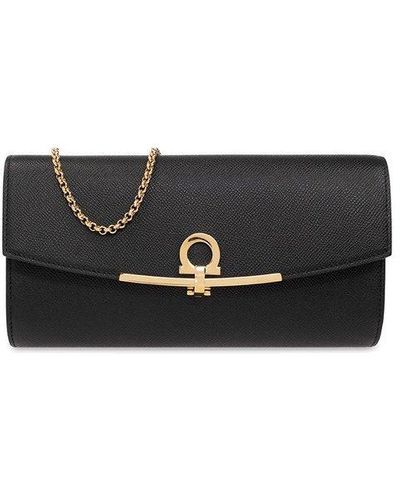
Well before handbags came onto the scene, Salvatore Ferragamo had already built his reputation on shoes—yet the label’s philosophy behind bag design holds onto those very obsessions that made him famous: anatomy, balance, and construction attuned to how someone truly moves through their day. Charting the evolution of the Ferragamo bag means tracing shifts in how women pursued careers, journeyed, and styled themselves across almost a hundred years. This is not merely a timeline of shapes and hardware. It chronicles how a Florentine workshop responded to changing lives while refusing to abandon its own standards of craftsmanship. Those browsing a Ferragamo store today is met with the cumulative outcome of generations of small, deliberate adjustments rather than dramatic reimaginings.
The reason that makes this development worthy of examination is the discipline behind it. Many luxury houses pursue passing trends with intensity, introducing and discontinuing silhouettes within one or two seasons. Ferragamo bags have traditionally evolved at a slower pace, prioritizing structural polish above newness. Such patience is reflected in pieces still referenced by current design teams, decades after their original release. It also explains why vintage Salvatore Ferragamo bags stay sought-after instead of feeling outdated.
1940s to 1960s: The Formative Beginnings
Salvatore ferragamo bag sale Ferragamo launched his Florence atelier in 1927, although bags became a notable part of the enterprise in the following decades, growing out of the shared leather craftsmanship used for footwear.
Small, tightly shaped, and centered on one prominent handle or clasp, the brand’s earliest bags from the 1940s and 1950s mirrored the post-war leaning toward function rather than decoration.
Frame bags featuring rigid metal closures were often seen, reflecting the formalwear silhouettes of the era.
Come the 1950s, the maison had built renown among clients across Europe and America who sought standards that rivaled couture-grade footwear. Hide selection was at that point a source of pride, with vegetable-tanned hides procured by way of tanneries in Tuscany that Ferragamo stayed closely connected to. This point still resonates: a great many of today’s Salvatore Ferragamo bags trace their approach to sourcing leather back to these identical regional supply chains.
Rigid tailoring began to ease, and that decade brought forth more fluid contours in turn.
Gentler, hobo-inspired outlines began surfacing alongside the structured frame bags, marking the first real stylistic split in the collection.
From then on, the label has again and again circled back to a dual design language — structured versus soft — first sown in this decade.
The 1970s and 1980s: Logo Hardware alongside Bold Identity
The brand’s visual identity grew stronger for Ferragamo bags throughout that decade. The Gancini clasp, gold-tone hardware, and visible metal accents were established as design anchors rather than afterthoughts. This signature clasp—a horseshoe-form fastening drawn from architectural ironwork that Ferragamo admired in Florence—debuted on footwear before making its way onto bags, and it stands as one of the most iconic hardware details in the ferragamo bags range today.
When fashion gave itself over to maximalism during the 1980s, bag silhouettes expanded. Boxy-framed totes and angular top-handle styles with bold Gancini clasps emerged as a marker of status in Milan, Rome, and New York alike. This era cemented the idea of the Ferragamo bag as a instantly identifiable object rather than a merely practical accessory — a piece you could spot from across a room by its hardware shape alone.
It’s worth noting that this era also expanded the brand’s international retail footprint significantly, with boutiques opening across the US and Asia. That expansion meant bag design had to satisfy a wider range of climates, dress codes, and carrying habits, which nudged the house toward more versatile sizing than the rigid, single-purpose bags of the 1950s.
Understated Design Meets Utility: The 1990s-2000s Period
With the 1990s came a marked style reset. Minimalist tailoring held sway on runways, and accessory design mirrored the shift. Even as the Gancini persisted, simply turning smaller and more discreet on numerous designs, Ferragamo had already answered the correction with cleaner lines, smoother leathers, and less ornamental hardware.
The 2000s saw the introduction of more overtly structured top-handle bags aimed at a professional, jet-setting clientele. This is arguably when the modern template for what shoppers now search as “best ferragamo bags” started taking shape: mid-size, structured, with a clear hardware signature and enough versatility to move between office and evening use. Craftsmanship details like hand-stitched edges and reinforced base panels became standard rather than exceptional.
Significant broadening happened across leather offerings in this era. Entering rotation all at once were textured Saffiano-style leathers, sleek calfskin, and suede options—every one lending that one shape a fresh identity according to its surface treatment. Such versatility is part of why some shapes from the 2000s have held up well enough to still appear, in a refreshed form, in current collections.
The Rise of the It-Bag Strategy: Inside the 2010s
That decade, the 2010s stood as the house’s most calculated entry toward the “it-bag economy” that maisons like Chanel and Céline had already shown to be financially lucrative. Signature bag lines refreshed each season became standard practice, offering loyal shoppers a reason to come back to the Ferragamo shop each year instead of treating a handbag as a single, standalone investment.
Color, across this era, turned into a stronger design tool too. In contrast to when earlier decades were dominated by black, cognac, and neutral tones, Ferragamo’s bags of the 2010s introduced saturated seasonal colorways — reds, cobalt blues, and pastels — commonly set against the same structured silhouettes that had characterized earlier decades. That signature clasp returned in bolder forms, occasionally enlarged until it functioned as the bag’s main visual focus rather than a subtle detail.
Collaboration with contemporary creative direction also sharpened the brand’s runway-to-retail pipeline. Bags shown on the runway began reaching stores faster, a shift that mirrored broader industry pressure to shorten the gap between design and commercial availability.
From the 2020s Through 2026: Structure, Sustainable Practice, and the Revival of the Archive
Heading into 2026, Ferragamo’s design vocabulary for bags sits at an interesting intersection: archive revival meets contemporary material responsibility. Silhouette cues pulled straight from 1950s and 1970s frame bags appear in a number of current lines, reissued with updated proportions suited to how people carry belongings now — phones, cards, minimal daily essentials as opposed to bulky wallets and compacts.
Sourcing of materials has equally emerged as a explicit priority, alongside increased use of traceable leather and more open supply chain communication versus earlier decades. It isn’t a wholesale reinvention of manufacturing, yet it does capture an industry-wide expectation that luxury buyers in 2026 expect more information about where their salvatore ferragamo bags actually come from.
The Gancini remains a constant thread across new releases, appearing in matte, polished, and oversized variations depending on the line. That consistency is purposeful: it gives new customers an easy visual entry point into the label’s identity while offering longtime buyers something recognizable across otherwise very different bag shapes.
A Quick Look at Design Eras Compared
| Time Period | Primary Silhouette | Defining Feature | Typical Use Case |
|---|---|---|---|
| 1940s–1950s | Structured frame bags | Rigid metal clasp | Formal daywear |
| 1960s | Soft hobo shapes | Minimal hardware | Casual daytime use |
| 1970s–1980s | Boxy totes, top-handles | Prominent Gancini fastening | Signaling social standing |
| 1990s–2000s | Refined structured silhouettes | Understated fittings | Professional versatility |
| 2010s | Branded it-bag ranges | Oversized, sculptural Gancini clasp | Seasonal statement pieces |
| 2020s–2026 | Archive-driven relaunches | Sourced-traceable leather and diverse Gancini treatments | Everyday minimal carry |
What This Background Means for Current Buyers
Understanding this progression helps explain why a Ferragamo bags overview rarely fits into a single style category. Structured heritage shapes, minimalist 2000s carryovers, and bold 2010s statement pieces frequently coexist within the lineup. Such variety stands as a clear consequence of decades of layered design decisions rather than a single unified aesthetic enforced from the top.
For those sorting through the lineup, one benefits from thinking to think in terms of era-based character rather than just current trend. Structured frame silhouettes call back to the brand’s earliest, more formal-era pieces. A bag with an oversized Gancini leans into the bold 2010s statement era. A pared-back tote with minimal hardware mirrors the 1990s shift toward minimalism. Spotting these stylistic through-lines makes it simpler to pinpoint which era’s aesthetic approach actually fits daily routines.
In the end, whether you’re on the hunt for the finest Ferragamo bags fit for the workplace or perhaps putting side by side the top Ferragamo bags for evening occasions, deciding is made easier through this sense of heritage. A house doesn’t maintain near a century of cultural standing by hardware alone. It manages this by constantly rebalancing the tension between rigidity and relaxed wear — the identical push-and-pull Salvatore Ferragamo set in motion when he first redirected his craft from shoes to bags, and one the house continues refining with each new collection put out under the Ferragamo name today.